Thursday, June 29, 2017

Buyer’s Market Helps Premium Home Sales Soar

Buyer's Market Helps Premium Home Sales Soar | Simplifying The Market
We previously reported how a shortage of inventory in the starter and trade-up home markets is driving prices up and causing bidding wars, creating a true seller’s market. At the same time, in the premium home market, an over-abundance of inventory has started to see prices come down and put buyers in the driver’s seat, creating the beginning of a buyer’s market.
Last week, the National Association of Realtors released their Existing Home Sales Report which shed some additional light on the impact of inventory levels on sales in each price range.
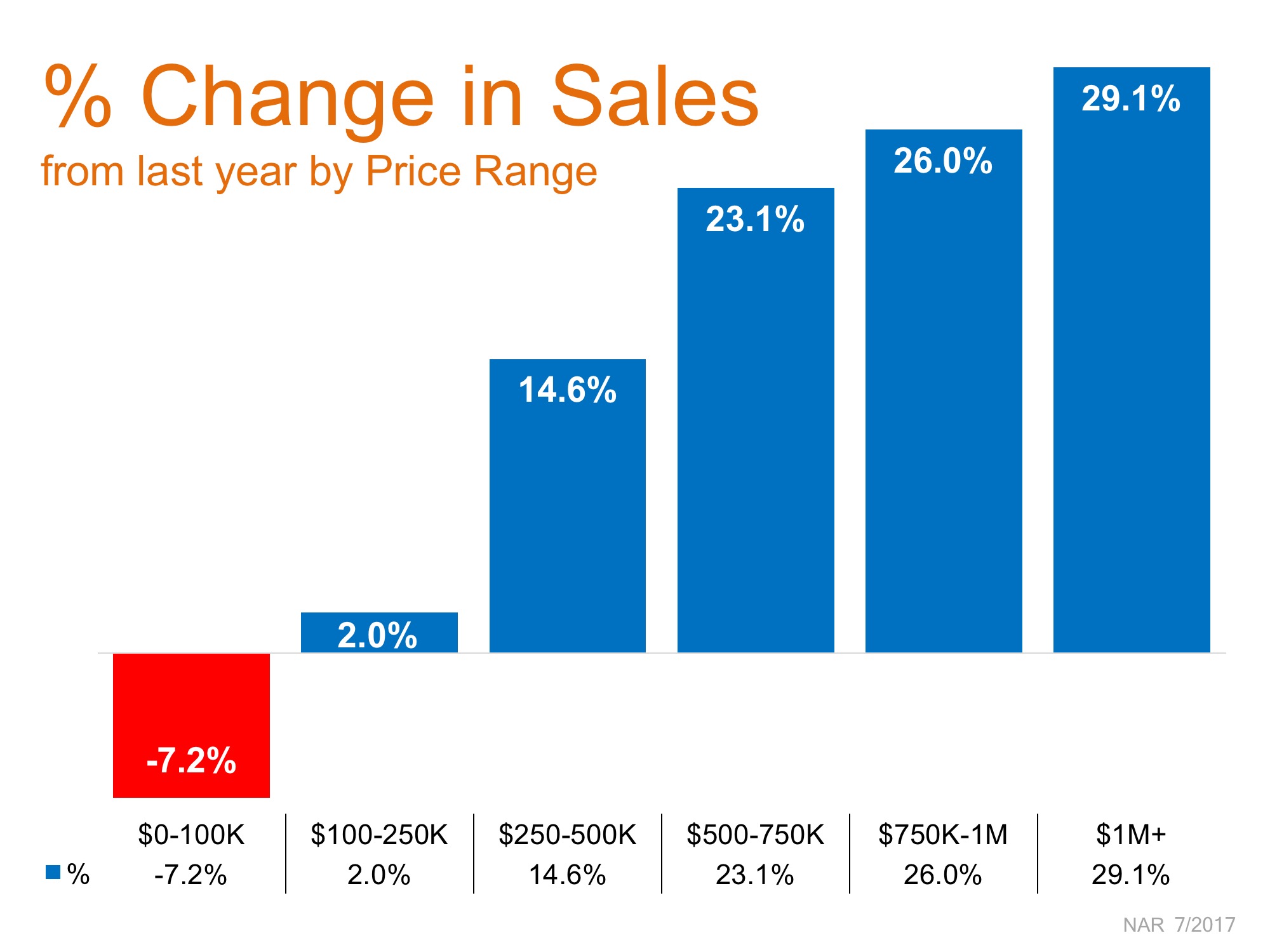
The chart below shows the year-over-year difference in sales at each price range.
Buyer's Market Helps Premium Home Sales Soar | Simplifying The Market
The under $100K range has shown declines in recent years due to the shortage of distressed homes available for sale (just 5% of sales this past month, compared to 35% in January 2012). Sales in the next two price ranges are no doubt being hindered by low inventory as buyers compete for the same home.
NAR’s Chief Economist, Lawrence Yun, explained:
“Those able to close on a home last month are probably feeling both happy and relieved. Listings in the affordable price range are scarce, homes are coming off the market at an extremely fast pace and the prevalence of multiple offers in some markets are pushing prices higher.”
The biggest surprise?
ReadMore: Buyer's Market Helps Premium Home Sales Soar | Real Estate with Keith
Ask Keith Your local Agent

Wednesday, June 28, 2017

Pre-Approval Should Always Be Your First Step

Pre-Approval Should Always Be Your First Step | Simplifying The Market
In many markets across the country, the number of buyers searching for their dream homes greatly outnumbers the amount of homes for sale. This has led to a competitive marketplace where buyers often need to stand out. One way to show you are serious about buying your dream home is to get pre-qualified or pre-approved for a mortgage before starting your search. Even if you are in a market that is not as competitive, knowing your budget will give you the confidence of knowing if your dream home is within your reach. Freddie Mac lays out the advantages of pre-approval in the My Home section of their website:
“It’s highly recommended that you work with your lender to get pre-approved before you begin house hunting. Pre-approval will tell you how much home you can afford and can help you move faster, and with greater confidence, in competitive markets.”
One of the many advantages of working with a local real estate professional is that many have relationships with lenders who will be able to help you with this process. Once you have selected a lender, you will need to fill out their loan application and provide them with important information regarding “your credit, debt, work history, down payment and residential history.”  Freddie Mac describes the 4 Cs that help determine the amount you will be qualified to borrow:
 source: Pre-Approval Should Always Be Your First Step |  Real Estate with Keith Kreis
Ask Keith Your local Agent

Tuesday, June 27, 2017

2 Myths Holding Back Home Buyers


In Realtor.com’s recent article, “Home Buyers’ Top Mortgage Fears: Which One Scares You?” they mention that “46% of potential home buyers fear they won’t qualify for a mortgage to the point that they don’t even try.”

Myth #1: “I Need a 20% Down Payment”

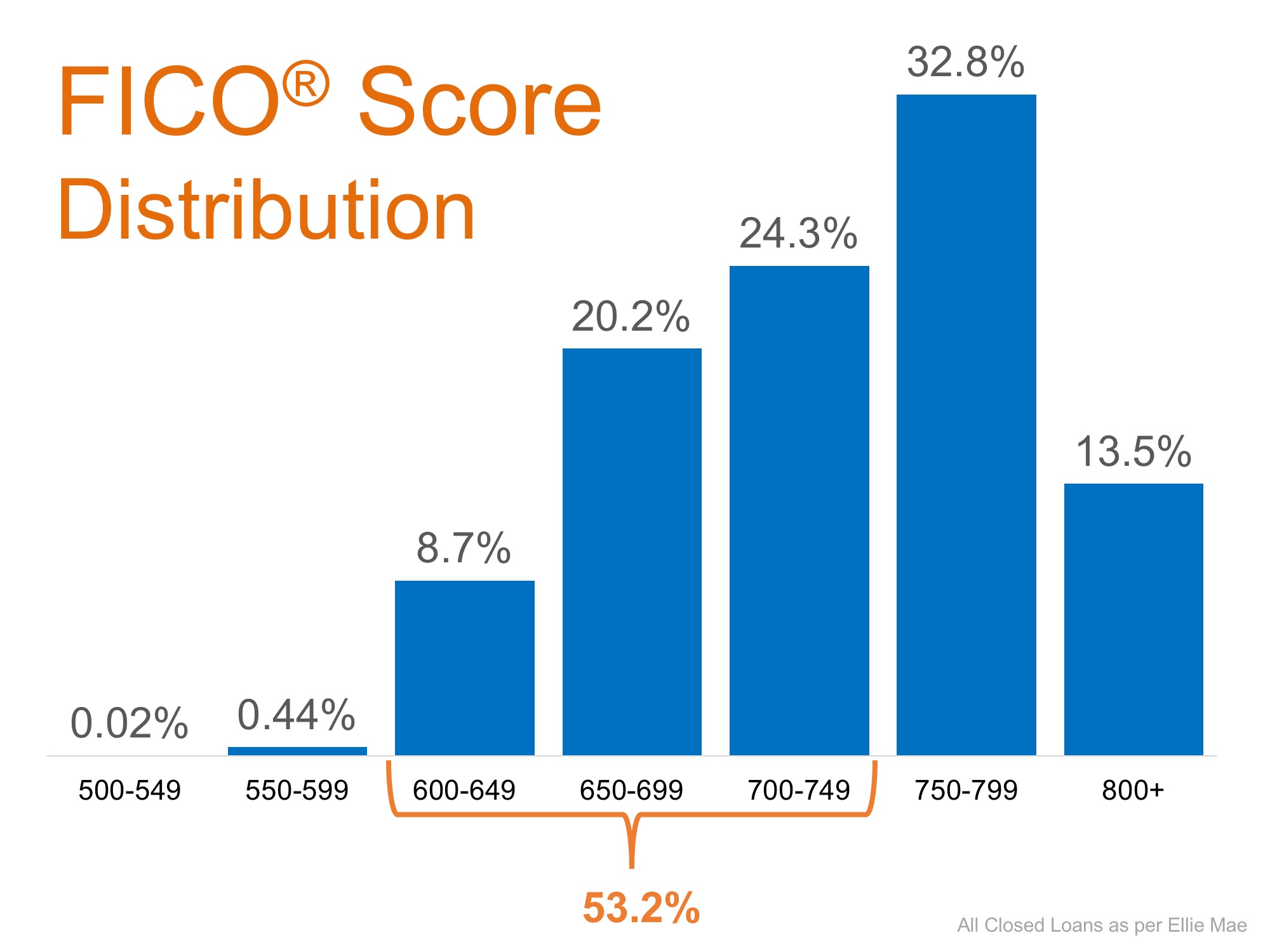
Myth #2: “I Need a 780 FICO® Score or Higher to Buy”

2 Myths Holding Back Home Buyers | Simplifying The Market

Bottom Line

Whether buying your first home or moving up to your dream home, knowing your options will make the mortgage process easier. Your dream home may already be within your reach. Proc

Monday, June 26, 2017

The Cost of Renting vs Buying in the US

Steps To Buying A Home
Ask Keith Your local Agent

Some Highlights:

  • Historically, the choice between renting or buying a home has been a tough decision.
  • Looking at the percentage of income needed to rent a median-priced home today (29.2%) vs. the percentage needed to buy a median-priced home (15.8%), the choice becomes obvious.
  • Every market is different. Before you renew your lease again, find out if you can put your housing costs to work by buying this year!
source: The Cost of Renting vs Buying in the US

Friday, June 23, 2017

The Importance of Home Equity in Retirement Planning


We often discuss the difference in family wealth between homeowner households and renter households. Much of that difference is the result of the equity buildup that homeowners experience over the time that they own their home. In a report recently released by the nonpartisan Employee Benefit Research Institute (EBRI), they reveal how valuable equity can be in retirement planning.
Craig Copeland, Senior Research Associate at EBRI, recently authored a report, Importance of Individual Account Retirement Plans and Home Equity in Family Total Wealth, in which he reveals:
READ MORE: The Importance of Home Equity in Retirement Planning


Buyer Agent keith Kreis
Ask Keith Your local Agent

Thursday, June 22, 2017

The Supply & Demand Problem Plaguing New Construction

The Supply & Demand Problem Plaguing New Construction | Simplifying The Market
Many real estate economists have called on new home builders to ramp up production to help relieve the shortage of inventory of homes for sale throughout the United States. The added inventory would no doubt aid buyers in their search to secure their dream home, while also helping to ease price increases throughout the country.
Unfortunately for builders, there are many forces that are making it difficult for them to do just that!
Last week at the National Association of Real Estate Editors 51st Annual Conference, CoreLogic’s Chief Economist Frank Nothaft broke down the 4 ‘L’s of New Home Construction: Lots, Labor, Lumber, and Lending.
Below is a graph showing the increase in cost of 1,000 board feet of framing lumber.